



Blog / Blog

2026 Chevrolet Tahoe Z71 Review: A Blend Of Power And Luxury

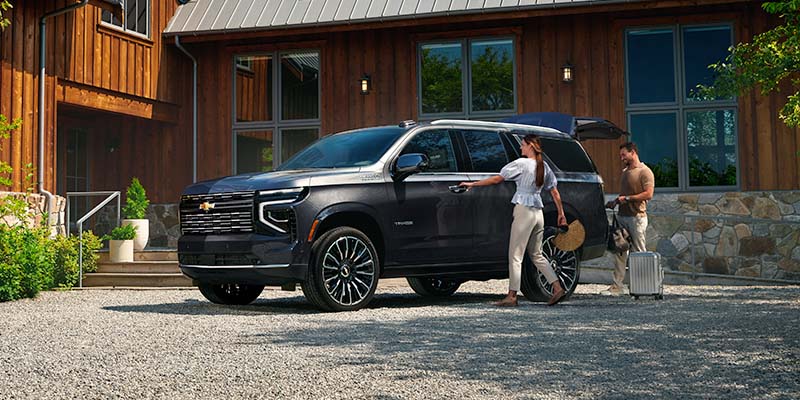
A couple loading luggage into a dark SUV parked on a gravel driveway in front of a modern wooden house.

Quick Summary

The 2026 Chevrolet Tahoe Z71 combines genuine off-road capability with the comfort and space families need every day. Standard four-wheel drive, trail-ready hardware, powerful V8 options, three-row seating, and modern technology make it a versatile full-size SUV for drivers who want adventure without sacrificing everyday practicality.

Few full-size SUVs manage to feel equally at home on a gravel trail and in a school pickup line. The 2026 Chevy Tahoe Z71 does exactly that, combining purpose-built off-road hardware with a cabin built for comfort.

This trim sits apart from the rest of the Tahoe lineup by putting capability first without giving up the polish buyers expect from a modern Chevrolet.

Built for the Trail, Tuned for Daily Life

The Z71 name carries weight in Chevy's lineup, and this Tahoe earns it. Four-wheel drive comes standard rather than as an upgrade, a distinction only the Z71 holds among Tahoe trims.

Among Tahoe trims, it's the only one where four-wheel drive isn't an optional add-on. It's part of the base package.

That off-road focus shows up throughout the build. A two-speed transfer case handles low-range gearing for tougher terrain, while underbody skid plates guard against rocks and ruts on the trail. The front end is shaped for a steeper approach angle, so the Tahoe can climb over obstacles that would stop a standard SUV.

Rounding out the setup are bright red tow hooks and rugged all-terrain rubber, both signaling that this trim means business before it ever leaves the pavement.

None of this comes at the expense of comfort. Hill descent control keeps steep grades manageable without constant brake input, and the suspension tuning absorbs rough terrain without turning every trip into a workout.

Families who need three rows of seating for daily errands still get that space; they just gain the option to leave the pavement behind on weekends without swapping vehicles.

Power Under the Hood

Buyers choose between 383 lb-ft of torque, a standard V8 5.3-liter producing 355 horsepower, a stronger 6.2-liter V8 for those who want more muscle, and a diesel option for drivers who prioritize efficiency and long-range towing.

Each engine pairs with a 10-speed automatic transmission that shifts smoothly under load, whether hauling a trailer or merging onto the highway.

Towing capacity remains a strong point for the segment, giving Z71 owners room to bring boats, campers, or trailers along without hesitation.

Interior Comfort and Technology

Inside, the Tahoe Z71 doesn't feel like a stripped-down off-roader. A 17.7-inch touchscreen anchors the dashboard, running wireless Apple CarPlay and Android Auto without a cable in sight.

Leather seating, heated front and second-row seats, and a spacious third row make longer trips comfortable for the whole family. Cargo space behind the third row still handles groceries and gear, and folding the rear seats opens up room for larger loads.

Safety technology carries through the whole cabin: blind spot monitoring, lane departure warning, adaptive cruise control, and a backup camera come standard, giving drivers confidence in traffic as much as on the trail.

Where the Tahoe Z71 Fits in Chevy's SUV Lineup

Chevy's SUV lineup covers a vast array of needs, and the Z71 slots in as the trim built specifically for buyers who want off-road readiness without sacrificing family-friendly space.

Shoppers who want the same body style with a different focus should look at the broader 2026 Chevy Tahoe lineup, which spans from the value-focused LS trim up through the near-luxury High Country.

Buyers cross-shopping seating configurations sometimes compare the Tahoe against the 2026 Chevy Traverse, a smaller three-row SUV built on a car-based platform rather than a truck frame.

The Traverse suits buyers who don't need serious towing or off-road capability, while the Tahoe Z71 covers both.

For those with heavier commercial or cargo needs, the 2026 Chevy Express serves a different purpose entirely, built around van-based hauling rather than passenger comfort.

Families torn between a sportier on-road look and genuine trail hardware often weigh the Z71 against the 2026 Chevy Traverse RS, which leans into styling rather than off-road capability.

That comparison usually comes down to whether weekend trips include unpaved roads or stay closer to the highway.

Why Buyers Keep Choosing the Z71

The Tahoe Z71 earns its spot in the lineup by refusing to force a tradeoff between capability and comfort. Buyers get standard four-wheel drive, real off-road hardware, and enough interior space for a full family, all wrapped in a cabin that doesn't feel like an afterthought.

Few vehicles in this segment offer that same balance without pushing buyers toward a much higher price point.

George Kell Motors has spent years matching families and drivers with the Chevrolet SUV that fits their actual routine rather than just their wish list. We walk them through trim differences, towing needs, and financing options so that the decision doesn't come down to guesswork.

Explore the 2026 Tahoe Z71 and discover how its off-road capability, family-friendly comfort, and powerful performance can fit your needs. Contact our team at George Kell Motors to learn more, or browse our new Chevy for sale listings to see current Tahoe inventory.

FAQs

The Z71 trim comes standard with four-wheel drive; it's the only Tahoe trim where 4WD isn't an optional upgrade.

Towing capacity depends on the selected engine and axle configuration, with the available V8 and diesel options offering the strongest numbers in the lineup.

Yes. The third-row seating, safety technology, and cabin comfort work well for daily family use even if the off-road hardware sees occasional use.
Posted in:

Related Posts

Dark blue Chevrolet Suburban SUV driving on a city street with motion blur, tall buildings, and trees in the background.

The 2026 Chevy Suburban: A Family SUV Built For Adventure

Quick Summary The 2026 Chevy Suburban combines three-row seating, generous cargo space, strong towing capability, and long-distance comfort in one full-size SUV. With room for up to eight passengers and available all-wheel or four-wheel drive, it gives growing families the space and versatility needed for road trips, daily errands, and weekend adventures. Few vehicles handle a loaded road trip the way the 2026 Chevy Suburban does. Between three full rows of seating, a cargo area that swallows luggage without complaint, and a chassis built for long highway stretches, this SUV earns its reputation as a family hauler that doesn't feel like a compromise. For buyers outgrowing a smaller SUV or sedan, the Suburban steps in as a vehicle built around the realities of family life: gear, passengers, and unpredictable weekends. Space That Actually Works for Families The Suburban's biggest advantage over smaller SUVs comes down to real, usable space. Three rows seat up to eight passengers, and the third row offers legroom that doesn't force older kids or adults into a cramped afterthought. Behind that third row, cargo capacity remains generous even with all seats in use, which matters for families who travel with strollers, sports equipment, or luggage for more than a weekend. Folding the second and third rows opens up a cargo area large enough for furniture runs or larger hauls when needed. That space extends to comfort as much as capacity. Second-row captain's chairs are available for families who prioritize individual seating over maximum capacity, while bench seating keeps the third-row accessible without a full reconfiguration. Either layout keeps the Suburban flexible enough to match different family sizes and trip types. Power and Towing for Real Adventures The Suburban pairs its size with genuine capability. A V8 engine delivers strong low-end torque, which matters when towing a camper, boat, or trailer full of gear. Ride quality stays composed at highway speeds, even loaded down, thanks to a chassis tuned for stability under weight. For families who camp, boat, or travel with trailers regularly, that towing margin often makes the difference between a stressful drive and a relaxed one. Available all-wheel and four-wheel drive systems add confidence in poor weather or light off-road conditions, giving families in regions with unpredictable seasons one less thing to worry about before a trip. A Cabin Designed for Long Trips Interior comfort is a big reason families choose the Suburban over smaller alternatives. Details on the Suburban's interior cover everything from seating materials to available rear-seat entertainment, and the short version is straightforward: this cabin was built for hours-long drives, not just short errands. Climate controls extend to the second and third rows, keeping temperature comfortable throughout the cabin rather than concentrated up front. A large touchscreen anchors the dashboard, and wireless smartphone connectivity keeps navigation and entertainment running without a tangle of cables. Storage throughout the cabin adds up quickly too: door pockets, console space, and under-seat storage give families places to stash everything from snacks to electronics without cluttering the main cargo area. Where the Suburban Fits Today Chevy's current lineup has shifted heavily toward SUVs and trucks in recent years. Sedans that once anchored the brand, including the Malibu and the once-popular 2026 Chevy Impala, are no longer part of the new-vehicle lineup; Malibu production ended in late 2024, and the Impala nameplate has been discontinued since 2020 with no confirmed return. Buyers who once considered a 2026 Chevy Malibu for family use will find that part filled instead by SUVs like the Suburban, which offer more interior space and towing capability than a sedan ever could. For buyers working with a tighter budget, a pre-owned vehicle can offer a practical path into the Suburban's size and capability without the cost of a brand-new model. Checking current pre-owned inventory alongside new options gives buyers a clearer picture of what fits both their needs and their budget before making a final decision. Why Families Keep Choosing the Suburban The Suburban holds its position in the full-size SUV segment because it doesn't ask families to choose between space, comfort, and capability. Three rows of real seating, strong towing numbers, and a cabin built for long trips come together in one vehicle, which is exactly why it remains a fixture in driveways across the country decades after its original debut. George Kell Motors works with a lot of growing families trying to figure out whether they need a Suburban's full size or whether a smaller SUV would serve them just as well. That conversation matters more than it seems: buying more vehicle than a family actually needs means paying for capability that sits unused, while buying too little means outgrowing the vehicle within a year or two. Our team walks through seating needs, towing requirements, and budget so the decision reflects how the vehicle will actually be used, not just what looks impressive on a test drive. Explore the 2026 Chevy Suburban and see how its space, comfort, and capability fit your family's lifestyle. Contact our team at George Kell Motors to discuss your options, or browse our new Chevy for sale inventory to see current availability. FAQs How many passengers does the Suburban seat? The Suburban seats up to eight passengers, depending on whether the second row is configured with captain's chairs or a bench seat. Is the Suburban good for towing a camper or boat? Yes. Its V8 powertrain and chassis tuning give it strong towing capability, making it a common choice for families who camp or boat regularly. What's the difference between the Suburban and the Tahoe? The Suburban rides on a longer wheelbase than the Tahoe, giving it more third-row legroom and cargo space behind the third row.

Interior view of a car looking forward, showing two front seats, a panoramic sunroof, and mountains through the windows.

Exploring The 2026 Chevrolet Traverse Interior Design Innovations

Quick Summary The 2026 Chevrolet Traverse interior combines flexible seating, generous cargo space, and family-friendly technology. With up to eight seats, 98 cubic feet of cargo room, a 17.7-inch touchscreen, and more than 20 standard safety features, the Traverse is designed to handle daily commutes, road trips, and busy family schedules comfortably. Step inside the 2026 Chevrolet Traverse interior and the design priorities become obvious immediately: room for people, room for gear, and technology that stays out of the way until it's needed. This three-row SUV has built its reputation on practical family use, and the cabin reflects that focus at every turn, from seating configuration down to where the storage compartments sit. Seating Built Around How Families Actually Ride Seating capacity shifts depending on trim, which matters for anyone comparing configurations before buying. Buyers asking how many seats are in a Chevy Traverse will find the answer depends on the second row: the LT trim offers an available bench seat that brings total capacity to eight passengers, while the Z71, RS, and High Country trims come standard with second-row captain's chairs, seating seven. Captain's chairs add comfort and easier access to the third row, while the bench seat adds one extra seat for larger families who prioritize headcount over individual seating. Third-row legroom holds up well for a midsize SUV, and Smart Slide technology on the second row makes climbing back to the third row simpler than in many competitors. That access matters daily, not just on road trips: getting kids in and out of a back seat without a struggle changes how a vehicle actually gets used. Cargo Space That Leads the Segment Behind the seating, the Traverse delivers cargo numbers that stand out in its class. With all three rows in place, drivers still get 22.9 cubic feet behind the third row, enough for a full grocery run without folding anything down. Folding the third row opens that up to 56.6 cubic feet, and dropping both rear rows reaches a class-leading 98 cubic feet total. That range covers everything from daily errands to furniture runs or a fully packed family vacation, without requiring a second trip or a rooftop carrier. An automatic power liftgate rounds out the cargo experience, opening on its own when it senses the driver approaching with hands full. It's a small detail, but one that shows up constantly in daily use. Technology Built for Connected Families The cabin centers on a 17.7-inch touchscreen running Google Built-In, giving drivers access to Google Maps, Google Play, and voice assistance without pairing a phone every trip. An 11-inch driver information center keeps trip data, navigation prompts, and vehicle status visible without pulling attention from the road. Available Wi-Fi hotspot support keeps up to seven devices connected, a detail that matters on long drives with multiple passengers streaming or working from the back seat. Safety technology runs throughout the cabin as well. Over 20 standard features fall under Chevy Safety Assist, including automatic emergency braking, lane keep assist, and forward collision alert. Available upgrades add blind zone steering assist and adaptive cruise control, extending that safety net to highway driving and tighter parking situations alike. Trim Levels and Interior Finish Interior finish changes noticeably as buyers move up the trim ladder. The 2026 Chevrolet Traverse LT delivers strong value with remote start, a power driver seat, and upgraded infotainment as standard equipment, making it a practical starting point for most family buyers. Moving up the lineup brings heated and ventilated front seats, premium materials, and additional driver-assist technology, with the High Country trim topping the range in comfort and refinement. Color and material choice also play a part in how the cabin feels day to day. For buyers weighing interior tones against exterior color, our guide to Traverse color choices breaks down how different combinations pair together across the trim lineup. Why the Interior Matters More Than Buyers Expect It's easy to focus on horsepower or towing numbers when shopping for an SUV, but the cabin is where a family actually spends time. A 2026 Chevy Traverse built for daily carpools, weekend trips, and everything in between needs seating that adapts, cargo space that keeps up, and technology that doesn't require a manual to operate. This interior checks each of those boxes without overcomplicating the experience. At George Kell Motors, we spend a lot of time walking families through exactly this kind of decision: which seating layout fits their routine, how much cargo space they'll actually use, and which trim's interior finish matches their budget. Experience the 2026 Chevrolet Traverse interior and see how its seating, cargo space, and technology fit your family's routine. Get in touch with our team at George Kell Motors to schedule a visit, or browse our new Chevy for sale inventory to explore current availability. FAQs Can I switch between captain's chairs and a bench seat on any Traverse trim? Second-row configuration is tied to trim level; the bench seat is available specifically on the LT trim, while other trims come standard with captain's chairs. Does the Traverse offer heated seats in every row? Heated front seats are available depending on trim, while heated second-row seating is offered on select higher trims rather than across the entire lineup. How much legroom does the third row offer? Third-row legroom measures over 32 inches, which comfortably accommodates older kids and adults on shorter trips.

Red Chevrolet Bolt EUV parked with its rear and side visible, black trim and wheels, against a colorful building.

Everything You Need To Know About The 2026 Chevy Bolt EV

Quick Summary The 2026 Chevy Bolt EV returns with an affordable price, improved range, faster charging, and updated technology. With around 255 miles of estimated range, a modern cabin, and quick acceleration, it offers an appealing entry point for commuters and small families seeking an electric vehicle without a premium price. The Chevy Bolt 2026 is back, and it arrives with a mission: prove that an electric vehicle can be affordable without feeling cheap. After a short break from the lineup, the Bolt returns with a fresh design, a longer list of features, and pricing that undercuts nearly every EV on the market. For drivers who want to make the switch to electric without stretching their budget, this model deserves a close look. Pricing That Actually Fits a Budget Few electric vehicles compete on price the way the new Bolt does. The base LT trim starts under $30,000, with a more affordable LT version arriving later in the model year priced even lower. A sportier RS trim sits above it for buyers who want a bit more style and standard equipment. Even before figuring in any available federal tax credit, this pricing puts the Bolt within reach of shoppers who assumed an EV wasn't in their budget. If you're comparing options, browse our new Chevy for sale selection to see current availability and incentives. Compact SUVs and hatchbacks aren't the only vehicles benefiting from Chevy's engineering push. Buyers cross-shopping electric and gas power often look at the 1500 Chevy Silverado for towing capability, while the Bolt works as an efficient daily driver for errands, commuting, and shorter trips. Range, Battery, and Charging Speed Under the skin, the Bolt uses a lithium-iron-phosphate battery pack built on GM's Ultium platform, the same architecture found across several Chevy EVs. GM estimates roughly 255 miles of range on a full charge, which covers the needs of most daily drivers with room to spare. That battery chemistry also brings a practical advantage: durability. The pack carries an eight-year, 100,000-mile warranty, with coverage for at least 70 percent capacity retention over that span. Charging has improved just as much as range. The Bolt now includes a native NACS port, giving owners direct access to a much wider public charging network without an adapter. DC fast charging tops out at 150 kilowatts, more than double the previous generation's peak rate, and a 10 to 80 percent charge takes around 26 minutes at a compatible station. For home charging, most owners plug in overnight and start each morning with a full battery. Performance and Everyday Driveability A single front-mounted electric motor produces 210 horsepower and 243 lb-ft of torque, enough for confident merging and a 0 to 60 mph time near 6.5 seconds. That's a meaningful step up from the outgoing Bolt. Drive modes let owners fine-tune steering feel, brake regeneration, and even simulated engine sound, while a high-regen setting allows true one-pedal driving, including full stops on hills. City commuting is where the Bolt shines: quick acceleration off the line, tight turning, and a ride that stays composed over rough pavement. Interior Technology and Comfort Inside, the cabin gets a meaningful upgrade over the prior generation. An 11.3-inch touchscreen pairs with an 11-inch digital gauge cluster, and physical climate controls remain below the display for quick adjustments without digging through menus. Owners rely on Google Built-In for navigation, voice commands, and app access built directly into the infotainment system. Cargo space stays flexible thanks to a hatchback-style layout, and rear-seat room accommodates adults comfortably for a vehicle in this size class. Over-the-air software updates mean the Bolt can gain new features after purchase, something that wasn't part of the original model's playbook. Combined with modern driver-assist tech, this new Bolt feels far closer to a luxury EV experience than its price tag suggests. How the Bolt Fits Into Chevy's Electric Lineup Chevy now offers electric options at nearly every size and price point. Shoppers weighing a compact hatchback against a larger crossover often compare the 2026 Chevy Bolt EV vs. 2026 Equinox EV to decide which body style and range figure fits their routine. The Equinox EV offers more interior space and a higher starting range, while the Bolt wins on price and around-town agility. Both share the Ultium foundation, so the choice often comes down to size and budget rather than underlying technology. Because the Bolt name carries strong recognition from its original run, some listings and searches still reference it as the 2026 model even as the official production version is classified as a 2027 model year vehicle. Whichever year appears on the paperwork, the vehicle on the lot delivers the specs described above. If you'd rather check out the official model-year designation directly, our 2027 Bolts showroom page has current inventory and build details. Who the Bolt Makes Sense for This model suits commuters, small families, and first-time EV buyers who want predictable running costs without sacrificing daily usability. It won't out-tow a new Chevy truck or out-haul a three-row SUV, but for city and suburban driving, it covers the bases most owners actually need: enough range for a work week of errands, fast charging for road trips, and a price that doesn't require creative financing to justify. At George Kell Motors, we've watched interest in affordable EVs grow steadily among buyers who want lower fuel costs without giving up the reliability they expect from a Chevy. Financing an electric vehicle raises different questions than a gas-powered purchase, from charging setup at home to available incentives, and getting those answers wrong can mean paying more than necessary over the life of the loan. Our team walks buyers through trim selection, current pricing, and available offers so the decision comes down to what actually fits their driving habits, not guesswork. Explore the returning Chevy Bolt EV and discover an affordable path to electric driving. Touch base with our team at George Kell Motors to learn about available models, pricing, and incentives. FAQs Is the 2026 Chevy Bolt EV the same vehicle as the 2027 Chevy Bolt? Yes. Some outlets and searches refer to the returning Bolt by its 2026 arrival timeline, while GM's official production designation is the 2027 model year. Does the Bolt qualify for a Federal EV tax credit? Eligibility depends on income limits, vehicle pricing, and current Federal guidelines at the time of purchase, so buyers should confirm details before finalizing a deal. What's the difference between the Bolt LT and RS trims? The LT trim focuses on affordability with the lowest starting price, while the RS trim adds sportier styling and additional standard equipment for a higher price point.