



Blog / Blog

Evolution Of Excellence: 2026 Chevrolet Corvette Vs. Earlier Models

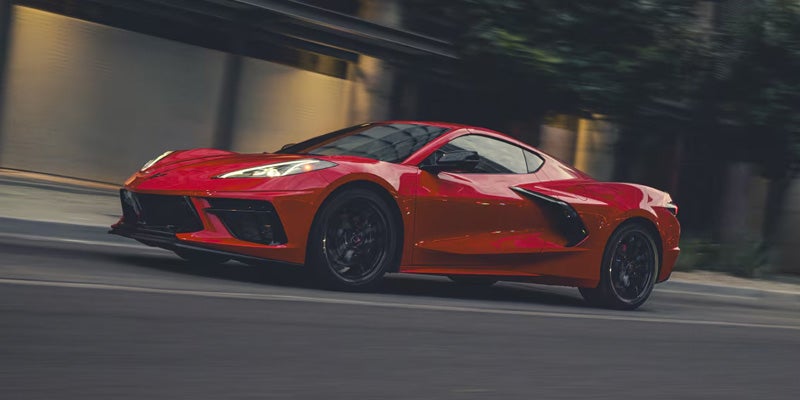
A red Chevrolet Corvette speeds down a wet road, its headlights reflecting off the pavement.

Quick Summary

The 2026 Chevrolet Corvette continues the model’s long-running reputation for performance while adding a more refined interior, larger digital displays, and updated technology features. Compared to earlier generations, the latest Corvette balances speed, handling, and daily comfort more effectively than ever before. The article also highlights how the mid-engine platform changed Corvette dynamics, how past generations shaped the brand’s legacy, and why growing interest in the rumored 2026 Corvette SUV reflects changing buyer preferences.


The discussion around the 2026 Corvette Stingray vs. 2025 highlights how Chevrolet continues refining one of America’s most respected sports cars. Corvette models have changed dramatically through the decades while keeping their performance-driven identity intact. The latest generation combines race-inspired engineering, modern luxury, and advanced technology in ways earlier models could not match.

How Corvette Design Has Changed Through the Years

The Chevrolet Corvette first appeared in 1953 as a lightweight American sports car with simple styling and modest performance. Early generations focused heavily on open-air driving and classic body lines that reflected postwar automotive trends. Over time, Chevrolet transformed the Corvette into a machine capable of competing with high-end European sports cars.

Modern Corvette models carry sharper body contours, aggressive aerodynamics, and wider stances than older generations. Engineers refined airflow management to improve handling at higher speeds while giving the car a more athletic appearance. These changes helped the Corvette evolve from a traditional muscle-inspired coupe into a true performance icon.

The 2026 Chevrolet Corvette Stingray continues this progression with updated exterior details and a more polished interior layout. Chevrolet introduced new paint options and revised cabin controls that create a cleaner, more driver-focused experience. Earlier Corvette generations emphasized raw power, while newer models balance speed with comfort and advanced functionality.

2026 Corvette Stingray Vs. 2025 Interior Improvements

One of the biggest talking points in the 2026 Corvette Stingray vs. 2025 comparison involves the interior redesign. Chevrolet updated the dashboard arrangement and digital interface to improve usability during everyday driving. The cabin now feels more refined without losing its performance-oriented character.

The 2026 model features a larger digital instrument cluster and an upgraded infotainment system with expanded display space. Drivers also gain access to an additional touchscreen near the steering wheel for faster access to vehicle settings. Previous Corvette interiors focused heavily on cockpit-style layouts, but the 2026 version introduces a cleaner arrangement with improved visibility.

Chevrolet also relocated several climate controls beneath the center display. This change reduces visual clutter and opens additional space within the cabin. The wireless charging pad placement also improves convenience during longer drives.

Performance Advancements Across Corvette Generations

Performance remains one of the Corvette’s strongest qualities across every generation. Earlier models relied heavily on large-displacement V8 engines and straight-line acceleration to attract buyers. While those vehicles delivered excitement, modern Corvette engineering brings greater balance and precision to the driving experience.

The introduction of the mid-engine platform in the C8 generation completely changed Corvette dynamics. Moving the engine behind the driver improved weight distribution and cornering stability. Drivers now experience quicker response during acceleration and more confidence while handling tight curves.

The 2026 Corvette continues using this proven platform while refining suspension calibration and overall responsiveness. Chevrolet focused on improving driver confidence without sacrificing comfort during daily use. Earlier generations often leaned toward aggressive ride quality, while the latest models feel more controlled and composed.

Technology Features that Separate Modern Corvettes

Technology advancements represent another major difference between modern and classic Corvette models. Earlier generations featured analog gauges, limited driver-assistance systems, and simpler infotainment features. Those cars focused primarily on mechanical performance rather than digital integration.

Current Corvette models include sophisticated displays, advanced driving modes, and connected technology that improve convenience and usability. Drivers can customize performance settings more easily than before, allowing the vehicle to adapt to varying road conditions. These additions create a more versatile ownership experience.

The updated digital interface inside the 2026 model reflects Chevrolet’s continued investment in modern automotive technology. Larger screens and revised menus improve interaction without overwhelming the driver. The result feels more premium compared to previous C8 interiors.

How Earlier Corvette Models Built the Brand’s Reputation

Every Corvette generation contributed something unique to Chevrolet’s performance legacy. The C1 introduced Americans to a dedicated domestic sports car during the 1950s. Its lightweight construction and open-top styling created strong enthusiasm among early enthusiasts.

The C2 Sting Ray expanded Corvette appeal with sharper styling and stronger engine options. Many collectors still consider the split-window coupe among the most recognizable Corvette designs ever produced. Later generations added fuel injection, advanced suspension systems, and improved aerodynamics that gradually modernized the platform.

The C5 and C6 generations marked major technological progress for Corvette engineering. Features like head-up displays, active handling systems, and refined chassis tuning gave drivers more control at higher speeds. By the time the C7 arrived, Corvette had firmly established itself as a world-class performance vehicle.

The Growing Interest in the 2026 Corvette SUV

Conversations surrounding the rumored 2026 Corvette SUV continue attracting attention among performance enthusiasts. While Chevrolet has not positioned it as a replacement for the traditional Corvette coupe, many drivers remain curious about how Corvette-inspired engineering could translate into a utility-focused platform. Other performance brands have already introduced high-performance SUVs with strong market success.

Interest in a Corvette SUV reflects broader changes in buyer preferences across the automotive industry. Many drivers want sports car styling and performance while still maintaining passenger space and cargo versatility. Chevrolet’s performance heritage gives the company a strong foundation if it expands the Corvette nameplate further.

Why the Corvette Continues to Stand Out

Few American vehicles have maintained long-term popularity like the Corvette. Chevrolet consistently adapted the car to changing driver expectations while preserving its performance-first identity. That balance helped the Corvette remain relevant across multiple generations of buyers.

Modern Corvette models combine luxury-inspired interiors, advanced technology, and supercar-level capability at a more approachable price than many competitors. Earlier models built their reputation through raw driving excitement and bold styling. The newest generation carries those qualities forward while introducing a more refined experience.

Drivers comparing classic and modern Corvette models often notice how much the car has matured without losing its personality. The Corvette still delivers thrilling acceleration and striking design, but today’s models also bring greater comfort and usability. This ongoing evolution keeps the Corvette competitive in a rapidly changing automotive market.

See the Latest Corvette Lineup at George Kell Motors, Inc.

Drivers searching for a new Chevy for sale can experience the latest Chevrolet performance models at George Kell Motors, Inc. Our dealership offers new and pre-owned vehicles along with a Full Service and Parts Center that helps drivers keep their vehicles performing at a high level for years to come.

Visit us to learn more about current Chevrolet models, including the latest Corvette lineup and other new and pre-owned vehicles. Contact us today to schedule a test drive or speak with our team about performance features, financing options, and service appointments.

FAQs

What changed between the 2026 Corvette Stingray and the 2025 model?

The 2026 Corvette Stingray introduces updated interior technology, revised dashboard controls, larger digital displays, and new color options. Chevrolet also reorganized the cabin layout to improve driver convenience and visibility. The performance platform remains strong while the overall driving experience feels more refined.

Why was the mid-engine layout important for the Corvette?

The mid-engine configuration improved weight distribution and handling performance. By placing the engine behind the driver, Chevrolet created better balance during acceleration and cornering. This design shift helped the Corvette compete more directly with high-end performance vehicles from Europe.

What makes older Corvette generations still popular today?

Earlier Corvette models remain popular because each generation introduced memorable styling and strong V8 performance. Cars like the C2 Sting Ray and C7 Corvette still attract collectors and enthusiasts due to their unique designs and driving character. Many drivers also appreciate the historical significance tied to each generation.

Is the 2026 Corvette considered practical for daily driving?

Modern Corvette models offer more comfort and technology than older versions, making them easier to drive regularly. Improved suspension tuning, digital features, and cabin refinement help create a smoother experience during commuting and longer trips. Drivers still receive the performance expected from a Corvette while gaining more convenience.

What is the rumored 2026 Corvette SUV?

The rumored 2026 Corvette SUV refers to a possible high-performance utility vehicle inspired by the Corvette brand. While Chevrolet has not positioned it as a replacement for the sports car, interest continues growing among drivers who want performance combined with added interior space and versatility.
Posted in:

Related Posts

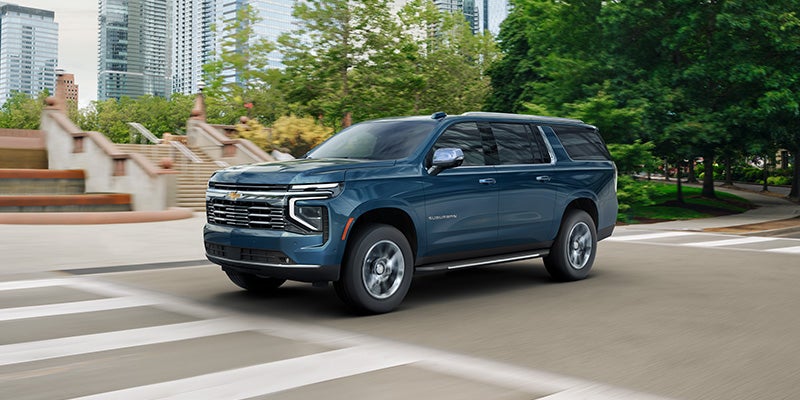
Dark blue Chevrolet Suburban SUV driving on a city street with motion blur, tall buildings, and trees in the background.

The 2026 Chevy Suburban: A Family SUV Built For Adventure

Quick Summary The 2026 Chevy Suburban combines three-row seating, generous cargo space, strong towing capability, and long-distance comfort in one full-size SUV. With room for up to eight passengers and available all-wheel or four-wheel drive, it gives growing families the space and versatility needed for road trips, daily errands, and weekend adventures. Few vehicles handle a loaded road trip the way the 2026 Chevy Suburban does. Between three full rows of seating, a cargo area that swallows luggage without complaint, and a chassis built for long highway stretches, this SUV earns its reputation as a family hauler that doesn't feel like a compromise. For buyers outgrowing a smaller SUV or sedan, the Suburban steps in as a vehicle built around the realities of family life: gear, passengers, and unpredictable weekends. Space That Actually Works for Families The Suburban's biggest advantage over smaller SUVs comes down to real, usable space. Three rows seat up to eight passengers, and the third row offers legroom that doesn't force older kids or adults into a cramped afterthought. Behind that third row, cargo capacity remains generous even with all seats in use, which matters for families who travel with strollers, sports equipment, or luggage for more than a weekend. Folding the second and third rows opens up a cargo area large enough for furniture runs or larger hauls when needed. That space extends to comfort as much as capacity. Second-row captain's chairs are available for families who prioritize individual seating over maximum capacity, while bench seating keeps the third-row accessible without a full reconfiguration. Either layout keeps the Suburban flexible enough to match different family sizes and trip types. Power and Towing for Real Adventures The Suburban pairs its size with genuine capability. A V8 engine delivers strong low-end torque, which matters when towing a camper, boat, or trailer full of gear. Ride quality stays composed at highway speeds, even loaded down, thanks to a chassis tuned for stability under weight. For families who camp, boat, or travel with trailers regularly, that towing margin often makes the difference between a stressful drive and a relaxed one. Available all-wheel and four-wheel drive systems add confidence in poor weather or light off-road conditions, giving families in regions with unpredictable seasons one less thing to worry about before a trip. A Cabin Designed for Long Trips Interior comfort is a big reason families choose the Suburban over smaller alternatives. Details on the Suburban's interior cover everything from seating materials to available rear-seat entertainment, and the short version is straightforward: this cabin was built for hours-long drives, not just short errands. Climate controls extend to the second and third rows, keeping temperature comfortable throughout the cabin rather than concentrated up front. A large touchscreen anchors the dashboard, and wireless smartphone connectivity keeps navigation and entertainment running without a tangle of cables. Storage throughout the cabin adds up quickly too: door pockets, console space, and under-seat storage give families places to stash everything from snacks to electronics without cluttering the main cargo area. Where the Suburban Fits Today Chevy's current lineup has shifted heavily toward SUVs and trucks in recent years. Sedans that once anchored the brand, including the Malibu and the once-popular 2026 Chevy Impala, are no longer part of the new-vehicle lineup; Malibu production ended in late 2024, and the Impala nameplate has been discontinued since 2020 with no confirmed return. Buyers who once considered a 2026 Chevy Malibu for family use will find that part filled instead by SUVs like the Suburban, which offer more interior space and towing capability than a sedan ever could. For buyers working with a tighter budget, a pre-owned vehicle can offer a practical path into the Suburban's size and capability without the cost of a brand-new model. Checking current pre-owned inventory alongside new options gives buyers a clearer picture of what fits both their needs and their budget before making a final decision. Why Families Keep Choosing the Suburban The Suburban holds its position in the full-size SUV segment because it doesn't ask families to choose between space, comfort, and capability. Three rows of real seating, strong towing numbers, and a cabin built for long trips come together in one vehicle, which is exactly why it remains a fixture in driveways across the country decades after its original debut. George Kell Motors works with a lot of growing families trying to figure out whether they need a Suburban's full size or whether a smaller SUV would serve them just as well. That conversation matters more than it seems: buying more vehicle than a family actually needs means paying for capability that sits unused, while buying too little means outgrowing the vehicle within a year or two. Our team walks through seating needs, towing requirements, and budget so the decision reflects how the vehicle will actually be used, not just what looks impressive on a test drive. Explore the 2026 Chevy Suburban and see how its space, comfort, and capability fit your family's lifestyle. Contact our team at George Kell Motors to discuss your options, or browse our new Chevy for sale inventory to see current availability. FAQs How many passengers does the Suburban seat? The Suburban seats up to eight passengers, depending on whether the second row is configured with captain's chairs or a bench seat. Is the Suburban good for towing a camper or boat? Yes. Its V8 powertrain and chassis tuning give it strong towing capability, making it a common choice for families who camp or boat regularly. What's the difference between the Suburban and the Tahoe? The Suburban rides on a longer wheelbase than the Tahoe, giving it more third-row legroom and cargo space behind the third row.

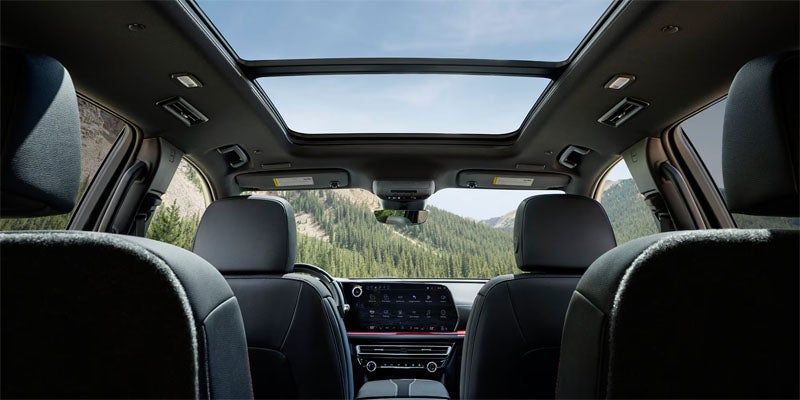
Interior view of a car looking forward, showing two front seats, a panoramic sunroof, and mountains through the windows.

Exploring The 2026 Chevrolet Traverse Interior Design Innovations

Quick Summary The 2026 Chevrolet Traverse interior combines flexible seating, generous cargo space, and family-friendly technology. With up to eight seats, 98 cubic feet of cargo room, a 17.7-inch touchscreen, and more than 20 standard safety features, the Traverse is designed to handle daily commutes, road trips, and busy family schedules comfortably. Step inside the 2026 Chevrolet Traverse interior and the design priorities become obvious immediately: room for people, room for gear, and technology that stays out of the way until it's needed. This three-row SUV has built its reputation on practical family use, and the cabin reflects that focus at every turn, from seating configuration down to where the storage compartments sit. Seating Built Around How Families Actually Ride Seating capacity shifts depending on trim, which matters for anyone comparing configurations before buying. Buyers asking how many seats are in a Chevy Traverse will find the answer depends on the second row: the LT trim offers an available bench seat that brings total capacity to eight passengers, while the Z71, RS, and High Country trims come standard with second-row captain's chairs, seating seven. Captain's chairs add comfort and easier access to the third row, while the bench seat adds one extra seat for larger families who prioritize headcount over individual seating. Third-row legroom holds up well for a midsize SUV, and Smart Slide technology on the second row makes climbing back to the third row simpler than in many competitors. That access matters daily, not just on road trips: getting kids in and out of a back seat without a struggle changes how a vehicle actually gets used. Cargo Space That Leads the Segment Behind the seating, the Traverse delivers cargo numbers that stand out in its class. With all three rows in place, drivers still get 22.9 cubic feet behind the third row, enough for a full grocery run without folding anything down. Folding the third row opens that up to 56.6 cubic feet, and dropping both rear rows reaches a class-leading 98 cubic feet total. That range covers everything from daily errands to furniture runs or a fully packed family vacation, without requiring a second trip or a rooftop carrier. An automatic power liftgate rounds out the cargo experience, opening on its own when it senses the driver approaching with hands full. It's a small detail, but one that shows up constantly in daily use. Technology Built for Connected Families The cabin centers on a 17.7-inch touchscreen running Google Built-In, giving drivers access to Google Maps, Google Play, and voice assistance without pairing a phone every trip. An 11-inch driver information center keeps trip data, navigation prompts, and vehicle status visible without pulling attention from the road. Available Wi-Fi hotspot support keeps up to seven devices connected, a detail that matters on long drives with multiple passengers streaming or working from the back seat. Safety technology runs throughout the cabin as well. Over 20 standard features fall under Chevy Safety Assist, including automatic emergency braking, lane keep assist, and forward collision alert. Available upgrades add blind zone steering assist and adaptive cruise control, extending that safety net to highway driving and tighter parking situations alike. Trim Levels and Interior Finish Interior finish changes noticeably as buyers move up the trim ladder. The 2026 Chevrolet Traverse LT delivers strong value with remote start, a power driver seat, and upgraded infotainment as standard equipment, making it a practical starting point for most family buyers. Moving up the lineup brings heated and ventilated front seats, premium materials, and additional driver-assist technology, with the High Country trim topping the range in comfort and refinement. Color and material choice also play a part in how the cabin feels day to day. For buyers weighing interior tones against exterior color, our guide to Traverse color choices breaks down how different combinations pair together across the trim lineup. Why the Interior Matters More Than Buyers Expect It's easy to focus on horsepower or towing numbers when shopping for an SUV, but the cabin is where a family actually spends time. A 2026 Chevy Traverse built for daily carpools, weekend trips, and everything in between needs seating that adapts, cargo space that keeps up, and technology that doesn't require a manual to operate. This interior checks each of those boxes without overcomplicating the experience. At George Kell Motors, we spend a lot of time walking families through exactly this kind of decision: which seating layout fits their routine, how much cargo space they'll actually use, and which trim's interior finish matches their budget. Experience the 2026 Chevrolet Traverse interior and see how its seating, cargo space, and technology fit your family's routine. Get in touch with our team at George Kell Motors to schedule a visit, or browse our new Chevy for sale inventory to explore current availability. FAQs Can I switch between captain's chairs and a bench seat on any Traverse trim? Second-row configuration is tied to trim level; the bench seat is available specifically on the LT trim, while other trims come standard with captain's chairs. Does the Traverse offer heated seats in every row? Heated front seats are available depending on trim, while heated second-row seating is offered on select higher trims rather than across the entire lineup. How much legroom does the third row offer? Third-row legroom measures over 32 inches, which comfortably accommodates older kids and adults on shorter trips.

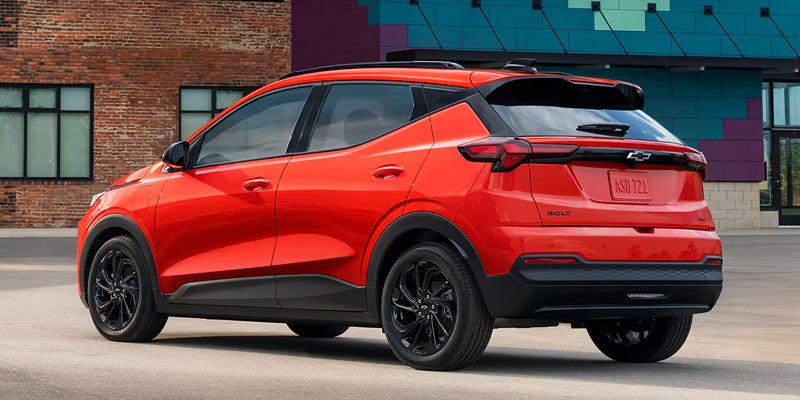
Red Chevrolet Bolt EUV parked with its rear and side visible, black trim and wheels, against a colorful building.

Everything You Need To Know About The 2026 Chevy Bolt EV

Quick Summary The 2026 Chevy Bolt EV returns with an affordable price, improved range, faster charging, and updated technology. With around 255 miles of estimated range, a modern cabin, and quick acceleration, it offers an appealing entry point for commuters and small families seeking an electric vehicle without a premium price. The Chevy Bolt 2026 is back, and it arrives with a mission: prove that an electric vehicle can be affordable without feeling cheap. After a short break from the lineup, the Bolt returns with a fresh design, a longer list of features, and pricing that undercuts nearly every EV on the market. For drivers who want to make the switch to electric without stretching their budget, this model deserves a close look. Pricing That Actually Fits a Budget Few electric vehicles compete on price the way the new Bolt does. The base LT trim starts under $30,000, with a more affordable LT version arriving later in the model year priced even lower. A sportier RS trim sits above it for buyers who want a bit more style and standard equipment. Even before figuring in any available federal tax credit, this pricing puts the Bolt within reach of shoppers who assumed an EV wasn't in their budget. If you're comparing options, browse our new Chevy for sale selection to see current availability and incentives. Compact SUVs and hatchbacks aren't the only vehicles benefiting from Chevy's engineering push. Buyers cross-shopping electric and gas power often look at the 1500 Chevy Silverado for towing capability, while the Bolt works as an efficient daily driver for errands, commuting, and shorter trips. Range, Battery, and Charging Speed Under the skin, the Bolt uses a lithium-iron-phosphate battery pack built on GM's Ultium platform, the same architecture found across several Chevy EVs. GM estimates roughly 255 miles of range on a full charge, which covers the needs of most daily drivers with room to spare. That battery chemistry also brings a practical advantage: durability. The pack carries an eight-year, 100,000-mile warranty, with coverage for at least 70 percent capacity retention over that span. Charging has improved just as much as range. The Bolt now includes a native NACS port, giving owners direct access to a much wider public charging network without an adapter. DC fast charging tops out at 150 kilowatts, more than double the previous generation's peak rate, and a 10 to 80 percent charge takes around 26 minutes at a compatible station. For home charging, most owners plug in overnight and start each morning with a full battery. Performance and Everyday Driveability A single front-mounted electric motor produces 210 horsepower and 243 lb-ft of torque, enough for confident merging and a 0 to 60 mph time near 6.5 seconds. That's a meaningful step up from the outgoing Bolt. Drive modes let owners fine-tune steering feel, brake regeneration, and even simulated engine sound, while a high-regen setting allows true one-pedal driving, including full stops on hills. City commuting is where the Bolt shines: quick acceleration off the line, tight turning, and a ride that stays composed over rough pavement. Interior Technology and Comfort Inside, the cabin gets a meaningful upgrade over the prior generation. An 11.3-inch touchscreen pairs with an 11-inch digital gauge cluster, and physical climate controls remain below the display for quick adjustments without digging through menus. Owners rely on Google Built-In for navigation, voice commands, and app access built directly into the infotainment system. Cargo space stays flexible thanks to a hatchback-style layout, and rear-seat room accommodates adults comfortably for a vehicle in this size class. Over-the-air software updates mean the Bolt can gain new features after purchase, something that wasn't part of the original model's playbook. Combined with modern driver-assist tech, this new Bolt feels far closer to a luxury EV experience than its price tag suggests. How the Bolt Fits Into Chevy's Electric Lineup Chevy now offers electric options at nearly every size and price point. Shoppers weighing a compact hatchback against a larger crossover often compare the 2026 Chevy Bolt EV vs. 2026 Equinox EV to decide which body style and range figure fits their routine. The Equinox EV offers more interior space and a higher starting range, while the Bolt wins on price and around-town agility. Both share the Ultium foundation, so the choice often comes down to size and budget rather than underlying technology. Because the Bolt name carries strong recognition from its original run, some listings and searches still reference it as the 2026 model even as the official production version is classified as a 2027 model year vehicle. Whichever year appears on the paperwork, the vehicle on the lot delivers the specs described above. If you'd rather check out the official model-year designation directly, our 2027 Bolts showroom page has current inventory and build details. Who the Bolt Makes Sense for This model suits commuters, small families, and first-time EV buyers who want predictable running costs without sacrificing daily usability. It won't out-tow a new Chevy truck or out-haul a three-row SUV, but for city and suburban driving, it covers the bases most owners actually need: enough range for a work week of errands, fast charging for road trips, and a price that doesn't require creative financing to justify. At George Kell Motors, we've watched interest in affordable EVs grow steadily among buyers who want lower fuel costs without giving up the reliability they expect from a Chevy. Financing an electric vehicle raises different questions than a gas-powered purchase, from charging setup at home to available incentives, and getting those answers wrong can mean paying more than necessary over the life of the loan. Our team walks buyers through trim selection, current pricing, and available offers so the decision comes down to what actually fits their driving habits, not guesswork. Explore the returning Chevy Bolt EV and discover an affordable path to electric driving. Touch base with our team at George Kell Motors to learn about available models, pricing, and incentives. FAQs Is the 2026 Chevy Bolt EV the same vehicle as the 2027 Chevy Bolt? Yes. Some outlets and searches refer to the returning Bolt by its 2026 arrival timeline, while GM's official production designation is the 2027 model year. Does the Bolt qualify for a Federal EV tax credit? Eligibility depends on income limits, vehicle pricing, and current Federal guidelines at the time of purchase, so buyers should confirm details before finalizing a deal. What's the difference between the Bolt LT and RS trims? The LT trim focuses on affordability with the lowest starting price, while the RS trim adds sportier styling and additional standard equipment for a higher price point.